Common Stinging Insects That Invade Homes
To effectively manage common stinging insects that invade homes, local service providers can identify, eliminate, and prevent infestations to keep your space safe.
Homeowners in the area often encounter common stinging insects that invade homes, especially during warmer months. These insects can build nests in hidden spots like eaves, attics, or wall voids, making their presence difficult to detect until they become a nuisance or pose a potential risk. Understanding which stinging insects are most likely to invade can help property owners take proactive steps to prevent infestations and protect their families and pets. Exploring this topic can also highlight the importance of professional services that specialize in stinging insect control, ensuring that any nests or colonies are handled safely and effectively.
Many local contractors offer targeted solutions to manage and eliminate common stinging insects that invade homes, providing peace of mind for property owners. Whether dealing with wasps, hornets, or yellow jackets, these experts understand the habits and preferred nesting sites of these pests. Keeping an eye out for signs of invasion and knowing when to seek professional assistance can make a significant difference in maintaining a comfortable, insect-free home environment. Keep reading to learn more about these insects and how local service providers can help handle the situation efficiently.
- Common stinging insects that invade homes - homeowners noticing nests or increased insect activity may seek out local contractors to handle removal and prevention. Carpenter bees and wasps often build nests in eaves or wall voids, prompting professional treatment to eliminate the infestation. Yellow jackets and hornets can establish colonies near entry points, requiring experienced service providers to safely remove nests and prevent future invasions. When stinging insects are found inside living spaces, local pros can identify the species and implement targeted control methods. Structural gaps and openings that attract these insects are often sealed by service providers to reduce the risk of recurring invasions.
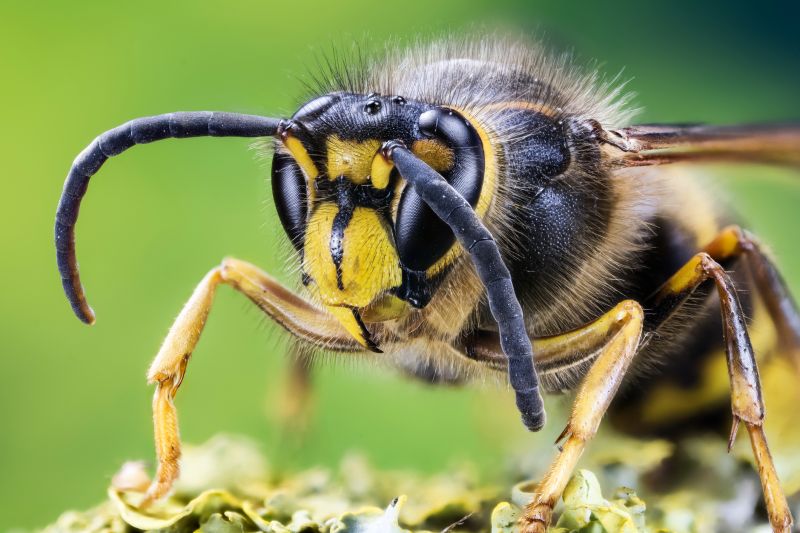
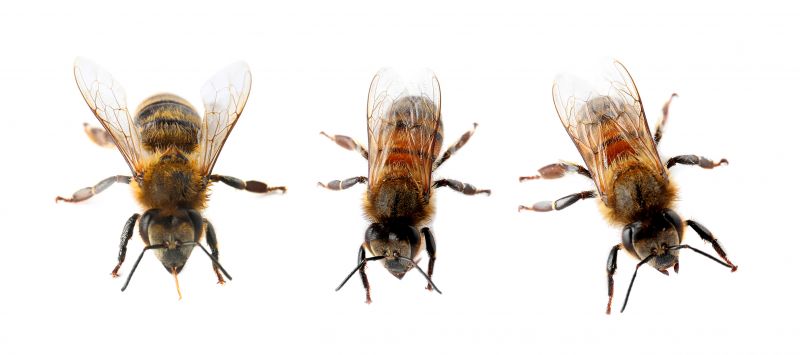

When people search for common stinging insects that invade homes, they are typically concerned about identifying which insects are causing problems and understanding how these pests might be entering or nesting in their living spaces. This search often arises from experiences with unexpected stings, sightings of buzzing insects around the house, or discovering nests on the property. Homeowners want to know which insects pose the most risk, how to recognize their signs, and what steps are necessary to eliminate the threat. This topic connects to broader plans for pest prevention and property maintenance, as addressing stinging insect activity is an important part of keeping a home safe and comfortable.
The problems associated with common stinging insects that invade homes generally involve nuisance, potential stings, and the risk of allergic reactions. These insects can build nests in hidden or hard-to-reach areas, such as wall voids, attics, eaves, or beneath decks. Homeowners may seek to remove existing nests or prevent new ones from forming, especially when the insects become aggressive or are seen frequently around the property. Many plans revolve around sealing entry points, removing nests safely, and implementing ongoing pest management strategies. Local contractors who specialize in stinging insect control are often called upon to handle these issues safely and effectively.
Various property types tend to be more susceptible to invasions by common stinging insects. Residential homes, especially those with nearby trees, shrubs, or open grassy areas, are common targets. Attics, garages, sheds, and other structures with gaps or cracks can provide ideal nesting sites. Commercial properties, such as restaurants or warehouses, may also experience issues if they have accessible roof eaves, loading docks, or storage areas. Properties with cluttered yards or unkempt landscaping are more likely to attract stinging insects seeking shelter or food sources. Understanding the specific features of a property can help determine the best approach for controlling and preventing these pests.
Connecting to the work of local service providers, homeowners are encouraged to seek professional assistance when dealing with common stinging insects that invade homes. These local pros have the experience and tools necessary to identify the species involved, safely remove nests, and implement preventative measures. Since many stinging insects are difficult to manage without proper knowledge, enlisting the help of experts ensures that the problem is addressed thoroughly and safely. Whether it’s eliminating an active nest or sealing potential entry points, local contractors play a key role in protecting homes from future invasions and minimizing the risks associated with these pests.
Pest Inspection Services - These projects involve thorough inspections to identify insect nests and entry points, skills that are essential for locating stinging insect colonies around homes.
Wildlife Removal Projects - Handling the removal of bees, wasps, or hornets often overlaps with stinging insect control, requiring similar planning and tools to safely eliminate infestations.
Yard and Property Cleanup - Clearing debris and potential nesting sites helps prevent stinging insect invasions and complements pest control efforts around residential properties.
Exclusion and Barrier Installation - Installing barriers to prevent insect entry shares techniques with controlling stinging insects that invade homes, ensuring long-term protection.
Structural Repair and Sealing - Sealing cracks and gaps in walls or eaves is a common project that supports insect exclusion strategies used in stinging insect control.
Outdoor Pest Control - Applying treatments to yard areas to reduce insect populations aligns with services that address common stinging insects that invade homes.
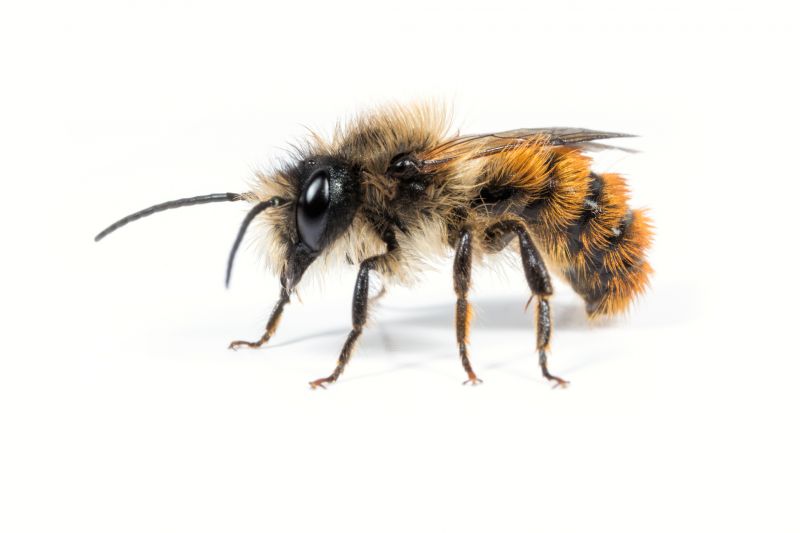
When evaluating service providers for stinging insects control, it is important to consider their experience with similar projects involving common stinging insects that invade homes. A contractor with a proven track record of handling these specific pests is more likely to understand their behaviors, nesting habits, and effective treatment methods. Homeowners should inquire about the types of infestations the contractor has managed and seek evidence of successful past work, such as references or examples of completed projects, to gauge their familiarity and competence with these common pests.
Clear written expectations are essential to ensure that both parties understand the scope of work, treatment procedures, and any follow-up measures. Service providers should be willing to provide detailed descriptions of their approach, including the methods used to identify and eliminate nests, as well as any precautions or preparations needed before treatment. Having this information in writing helps prevent misunderstandings and allows homeowners to assess whether the proposed solutions align with their needs and concerns about common stinging insects invading their homes.
Effective communication is a key factor when choosing local contractors for stinging insects control. Reputable service providers prioritize transparency and are responsive to questions or concerns. They should be able to explain their process in understandable terms, outline what homeowners can expect during and after treatment, and provide guidance on preventing future invasions. Good communication ensures that homeowners feel informed and confident in the service provider’s ability to address issues related to common stinging insects that invade homes effectively and professionally.
Property owners often search for common stinging insects that invade homes when they are planning practical projects around their homes and businesses. Local pros provide Stinging Insects Control services for everyday jobs and straightforward project options.
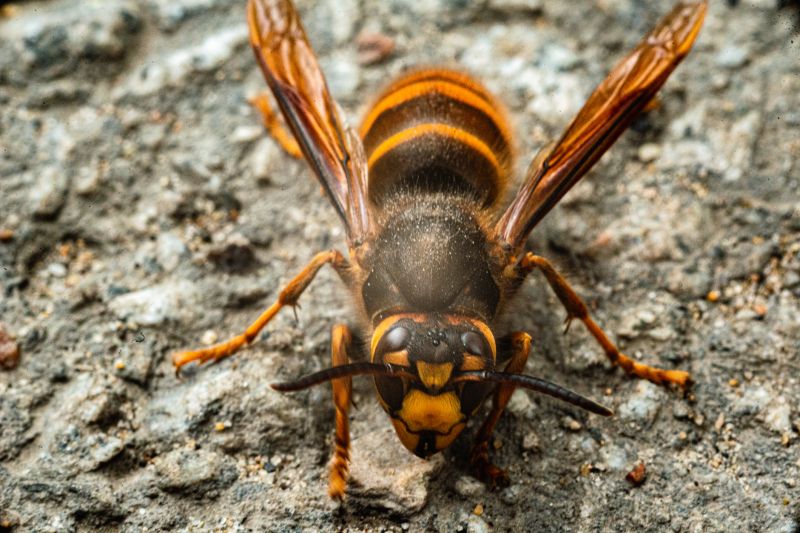
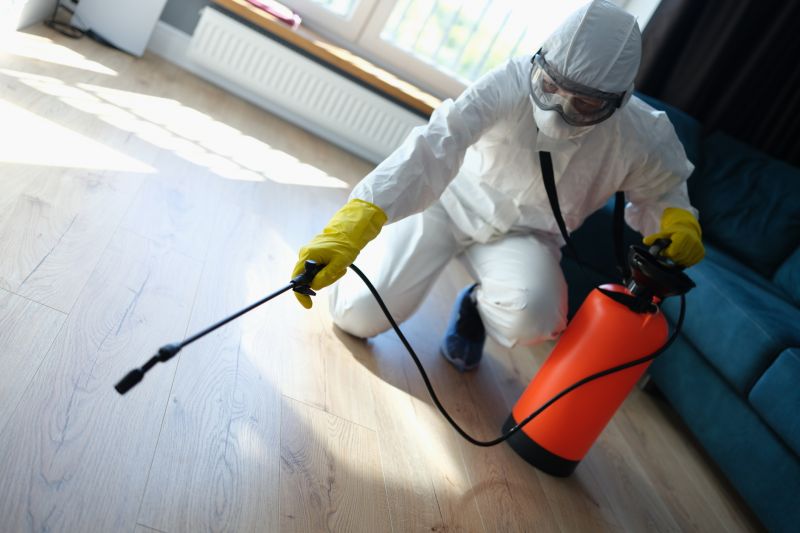
Homeowners in the area often find themselves dealing with common stinging insects that invade homes, especially during warmer months. These insects, such as wasps, hornets, and yellowjackets, tend to build nests in eaves, attics, or wall cavities, which can lead to increased concerns about safety and property damage. When these insects establish nests close to living spaces, property owners may seek out local contractors who specialize in stinging insects control to safely remove the nests and prevent future invasions.
For those facing recurring issues with stinging insects, professional control services offer targeted solutions to eliminate nests and reduce the risk of stings. Local service providers can assess the situation, identify the species involved, and implement effective removal methods. Property owners often look for experienced local contractors to handle these situations efficiently, ensuring the insects are managed safely and the risk of future invasions is minimized.
What are some common stinging insects that invade homes? Common stinging insects that invade homes include wasps, yellow jackets, paper wasps, and hornets. These insects often seek shelter inside wall voids, attics, or under eaves during warmer months.
How can I identify if a stinging insect has invaded my home? Signs of a stinging insect invasion include visible nests in or around the home, increased insect activity near entry points, or encountering stinging insects indoors or in the yard close to the house.
Why do these insects invade homes? These insects typically invade homes to find shelter, especially during seasonal changes, or to access food sources like sugary drinks and sweet foods stored in the house.
What are the risks of leaving a stinging insect infestation untreated? Leaving an infestation untreated can lead to increased insect activity, potential stings, and the risk of nests growing larger, which can pose safety concerns for residents and pets.
How do local contractors handle stinging insect invasions in homes? Local contractors typically assess the situation, safely remove nests, and implement treatment strategies to prevent future invasions, helping to keep homes safe and insect-free.
Identify nesting sites - property owners can inspect their homes for potential nesting areas like eaves or wall voids and seek advice from local contractors on removal strategies.
Seal entry points - sealing gaps around windows, doors, and vents can prevent common stinging insects that invade homes from gaining access, with guidance from local service providers.
Remove attractants - eliminating food sources such as uncovered trash or sugary drinks can reduce insect activity indoors, supported by local pros who can advise on effective cleanup methods.
Schedule professional treatments - arranging for pest control services can target existing nests and prevent future invasions, ensuring a safe and effective approach with local contractors.
If you are thinking about common stinging insects that invade homes for a property, this guide is meant to help you understand this topic, the typical project types, and how different options might fit your plans.
When you are ready, you can use the quote form on this page to share a few details about your project. From there, local pros can review the basics and follow up with options that match what you have in mind.