Where Stinging Insects Commonly Build Nests Around Buildings
To effectively control stinging insects, local service providers can identify common nesting spots around buildings and safely remove or treat nests.
If you're curious about where stinging insects commonly build nests around buildings, you're in the right place. Understanding these typical nesting sites can help property owners identify potential problem areas early, reducing the risk of unexpected infestations and ensuring safety for residents, workers, or visitors. Recognizing common nesting spots around structures also supports proactive maintenance, making it easier to address issues before they become more difficult or costly to manage. Local service providers who specialize in stinging insect control are well-versed in these nesting habits and can offer effective solutions tailored to the specific needs of your property.
Exploring where stinging insects tend to establish their nests can be especially useful for property owners looking to minimize disruptions or prevent nests from forming in inconvenient locations. These insects often choose sheltered, undisturbed areas that provide easy access to food sources and suitable materials for building their colonies. By understanding these patterns, property owners can take practical steps to reduce attractants and work with local contractors experienced in stinging insect management. Keep reading to learn more about common nesting sites and how local pros can assist in keeping your property safe and insect-free.
- Wall cavities - when stinging insects build nests inside wall spaces, local contractors can carefully remove the nests and seal entry points to prevent future activity.
- Eaves and overhangs - nests often develop under roof overhangs, and service providers can safely eliminate these nests while advising on preventive measures.
- Underground areas - when nests are found beneath porches or in soil near buildings, local pros can perform targeted removal and recommend ongoing monitoring.
- Attic spaces - stinging insects may establish nests in attic voids, and experienced service providers can access and remove these nests to reduce risks.
- Gutter and soffit areas - nests built within gutter systems or soffits are common, and local specialists can remove them and suggest ways to keep these areas insect-free.
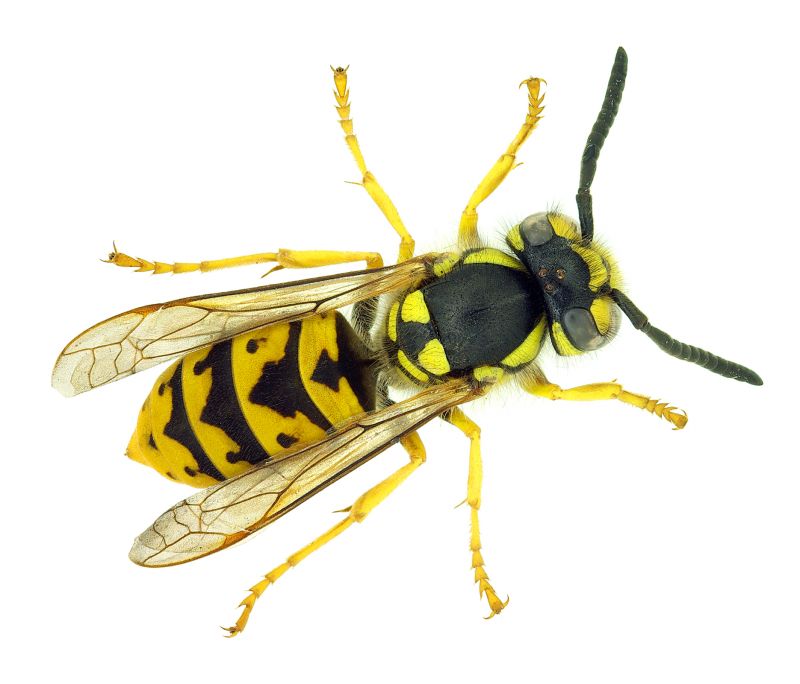
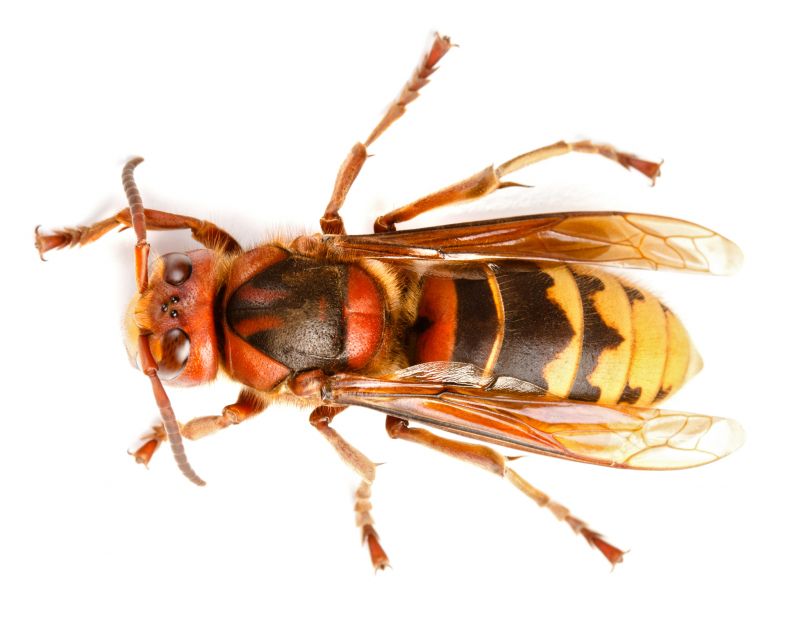
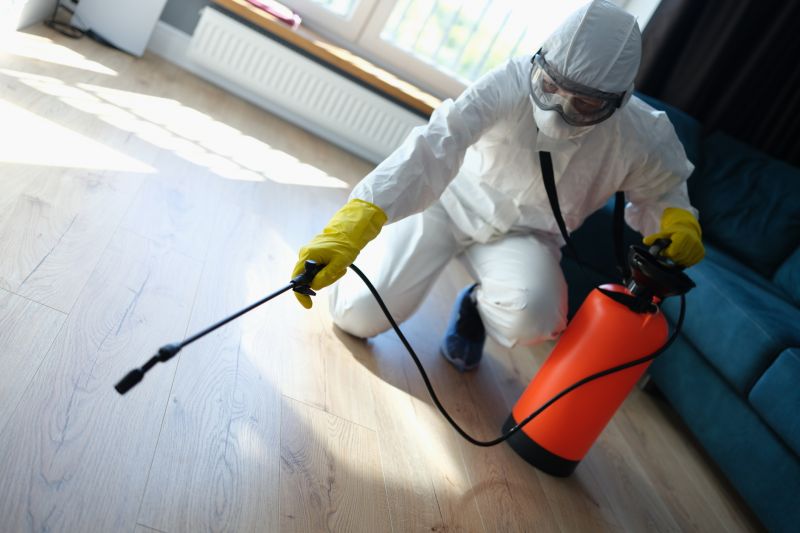
Understanding where stinging insects commonly build nests around buildings is a key concern for homeowners dealing with pest issues. When people search for this topic, they often want to identify the typical locations where these insects choose to establish their colonies. This knowledge helps in planning effective removal strategies and preventing future infestations. Many property owners are concerned about the safety risks posed by stinging insects, especially if nests are located near frequently used areas like entryways, patios, or playgrounds. Recognizing common nesting sites also informs maintenance routines and property inspections, making it easier to spot early signs of nests before they become problematic.
This topic is closely related to a variety of problems and plans homeowners may have. For example, someone might be preparing for a renovation or outdoor event and wants to ensure no nests are hidden in or around their property. Others may be dealing with persistent stinging insect activity and want to understand how these pests choose nesting sites to better target treatments. The presence of nests can also pose structural concerns if insects settle in wall voids or eaves, potentially leading to damage or increased pest activity. Local service providers specializing in stinging insect control can assist with identifying these common nesting areas, safely removing nests, and implementing measures to reduce the likelihood of future problems.
Certain types of properties are more prone to having nests built around them, especially those with specific structural features or landscaping elements. Homes with soffits, eaves, and wall voids provide ideal sheltered spots for stinging insects to establish nests. Commercial buildings, such as warehouses and restaurants, often have similar features that attract these pests, along with outdoor dining areas or storage zones. Additionally, properties surrounded by dense shrubbery, trees, or overgrown vegetation create natural habitats that encourage nesting nearby. Local contractors experienced in stinging insect control are familiar with these property types and can assess risk areas to develop targeted removal and prevention plans.
Knowing where stinging insects commonly build nests around buildings helps homeowners take proactive steps to protect their property and loved ones. By understanding typical nesting sites-such as under eaves, in wall voids, or within shrubbery-property owners can better recognize early signs of nests and seek professional assistance. Local pros can conduct thorough inspections, safely remove existing nests, and advise on measures to discourage future nesting in vulnerable areas. This approach not only reduces the risk of stings and insect-related damage but also contributes to a safer, more comfortable outdoor environment.
Exterior Home Inspection - Professionals who conduct exterior inspections can identify potential nesting sites around buildings, similar to locating stinging insect nests, and recommend appropriate removal or prevention methods.
Wildlife Removal Services - These specialists handle the removal of various pests that build nests near structures, sharing skills in safe and effective nest elimination around buildings.
Insect Control Treatments - Local contractors offering targeted insect control can treat areas where stinging insects commonly nest, utilizing similar techniques used for other pest management tasks.
Building Maintenance and Repairs - Skilled tradespeople who perform building repairs can address structural features that attract nesting insects, such as holes or gaps around buildings.
Gutter and Eaves Cleaning - Cleaning services that clear debris from gutters and eaves help prevent nesting sites, a task related to managing areas where stinging insects may build nests.
Vegetation Trimming and Landscaping - Landscaping professionals can reduce overgrown plants near structures, decreasing potential nesting sites for stinging insects around buildings.
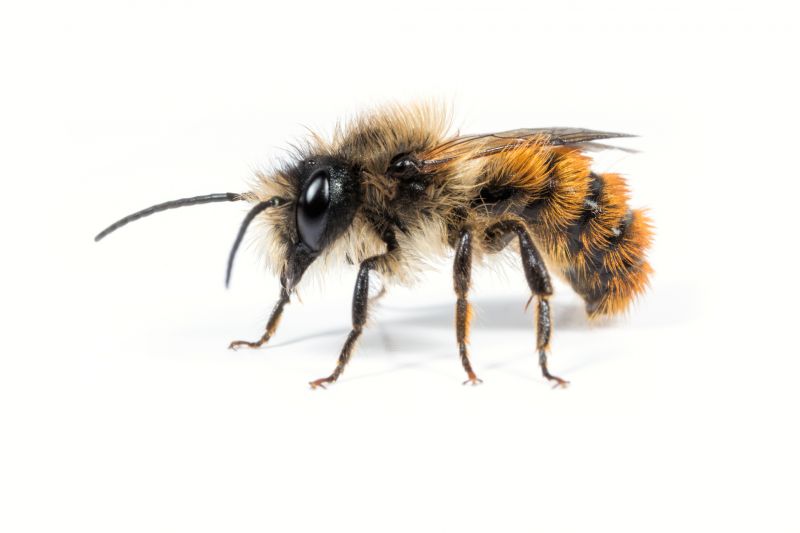
When comparing service providers for stinging insect control, it’s important to consider their experience with similar projects, particularly those involving nests around buildings. Contractors with a history of handling nests in common locations-such as eaves, soffits, wall voids, or under decks-are more likely to understand the unique challenges these sites present. Asking about their background with these specific areas can help ensure the contractor is familiar with the best methods to safely and effectively address nests in these common spots.
Clear, written expectations are key to avoiding misunderstandings and ensuring the scope of work aligns with what is needed. When evaluating local contractors, inquire about the details they provide in their estimates or service descriptions. A reputable provider will outline what areas they will treat, what methods they plan to use, and what the process will entail. Having this information in writing allows homeowners to compare services more objectively and ensures everyone is on the same page before work begins.
Finally, reputable references and strong communication are essential when selecting a service provider. Request references or reviews from previous clients who had similar nests around buildings, and consider how well the contractor communicates during the initial inquiry. A contractor who responds promptly, provides detailed information, and demonstrates transparency can often be trusted to deliver quality service. Good communication helps clarify expectations and keeps homeowners informed throughout the process, making it easier to address any concerns that may arise during stinging insect control efforts.
Property owners often search for where stinging insects commonly build nests around buildings when they are planning practical projects around their homes and businesses. Local pros provide Stinging Insect Control services for everyday jobs and straightforward project options.
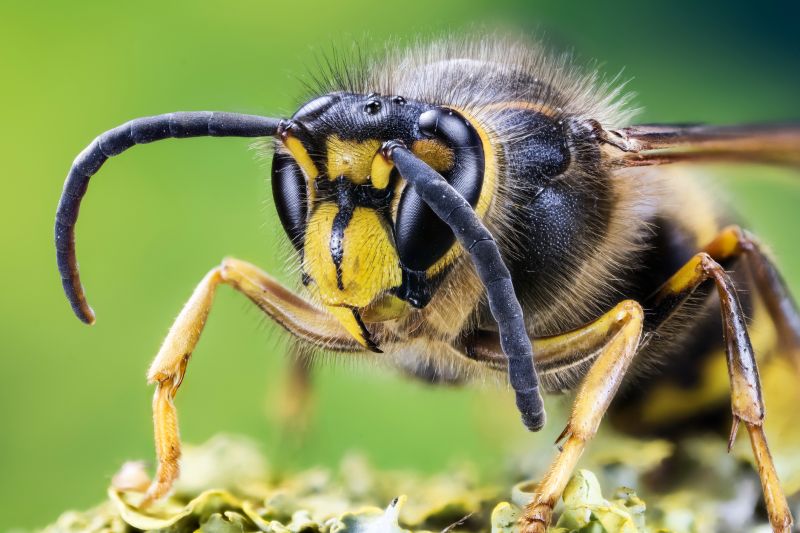

Understanding where stinging insects commonly build nests around buildings can help property owners identify potential problem areas before they become a major concern. These insects often choose sheltered spots that provide protection from the elements and easy access to food sources. Common locations include eaves, soffits, wall voids, and areas near outdoor lighting or flowering plants. Recognizing these typical nesting sites can make it easier to spot early signs of activity and address the issue promptly with the help of local contractors experienced in stinging insect control.
Property owners in the area may seek out local pros to handle nest removal and prevention because these insects can pose safety risks and cause property damage if nests are left unchecked. Professional service providers are equipped to safely remove existing nests and implement strategies to deter future nesting in common trouble spots. Whether nests are found around rooflines, gutters, or beneath decks, connecting with local experts ensures that the job is handled efficiently and effectively, reducing the likelihood of stings and maintaining a safe outdoor environment.
Where do stinging insects typically build nests around buildings? Stinging insects commonly build nests in sheltered areas such as eaves, soffits, wall voids, attics, and beneath roof overhangs around buildings. Local contractors experienced in stinging insect control can identify these common nesting spots and safely remove them.
Are there specific parts of a building where nests are more likely to be found? Yes, nests are often found in areas with access to shelter and food sources, including behind shutters, in window frames, under decks, or in overgrown vegetation close to structures. Service providers can inspect these areas to locate and eliminate nests effectively.
What indoor locations are common sites for stinging insect nests? Inside buildings, nests may be found in wall voids, attics, or crawl spaces, especially near entry points or areas with poor sealing. Local pros can assess these hidden spots to safely remove nests and prevent future infestations.
How do building design features influence where stinging insects build nests? Features like open eaves, unused vents, or gaps around windows and doors can provide ideal nesting sites. Experienced contractors can recommend modifications or treatments to reduce nesting opportunities around these features.
Can landscaping around buildings affect where stinging insects choose to build nests? Yes, dense shrubs, overgrown plants, or woodpiles close to structures can attract stinging insects and encourage nesting nearby. Local insect control specialists can advise on landscaping adjustments to minimize nesting sites around buildings.
Identify common nesting sites - Property owners can observe areas like eaves, wall voids, or soffits where stinging insects often build nests and seek help from local contractors to inspect and address these spots.
Inspect around entry points - Checking gaps, vents, or openings near doors and windows can reveal potential nesting locations, with local pros providing targeted removal and prevention solutions.
Monitor shaded or sheltered areas - Areas such as porches, garages, or shrubbery are typical nesting sites, and professionals can assist with safe removal and nest deterrent methods.
Assess trees and shrubs close to structures - Overhanging branches or dense foliage near buildings may harbor nests, with local service providers offering advice on reducing nesting opportunities.
If you are thinking about where stinging insects commonly build nests around buildings for a property, this guide is meant to help you understand this topic, the typical project types, and how different options might fit your plans.
When you are ready, you can use the quote form on this page to share a few details about your project. From there, local pros can review the basics and follow up with options that match what you have in mind.