Termite Tenting in Long Island, NY
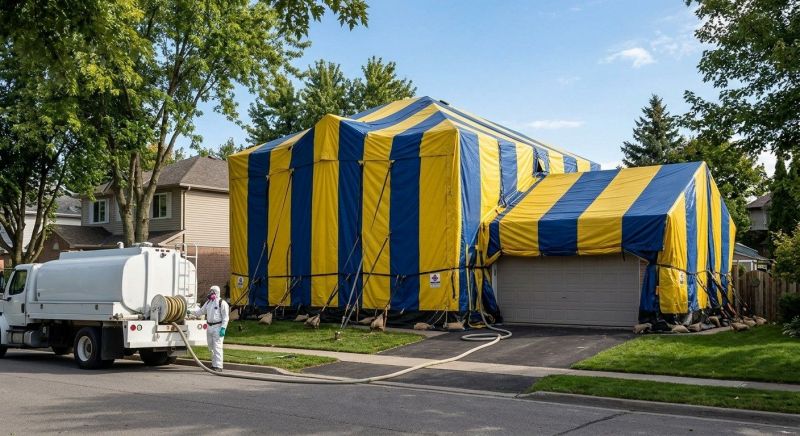
Termite tenting services involve the process of enclosing a property in a specialized tent and applying a fumigant to eliminate termite infestations. This method is typically used for severe or widespread termite problems that cannot be resolved through localized treatments. Tenting is suitable for various types of projects, including residential homes, multi-unit buildings, and commercial properties, especially when a comprehensive solution is needed to ensure complete eradication of termites.
Homeowners considering termite tenting should understand that the process requires temporarily vacating the property, as the fumigant used can be hazardous to humans and pets during application. It is important to evaluate the extent of the infestation and discuss any concerns about property contents or landscaping with a pest control professional beforehand. Proper preparation and follow-up treatments are often recommended to prevent future infestations and protect the property’s structural integrity.
Many property owners in Long Island, NY look into Termite Tenting for repairs, replacements, upgrades, and appearance-related improvements.
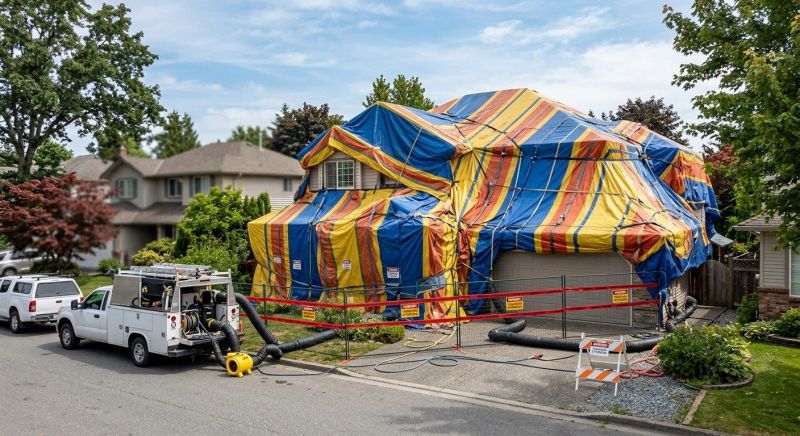
Termite Tenting For Home Protection
Effective treatment to eliminate termites and safeguard your long island property.
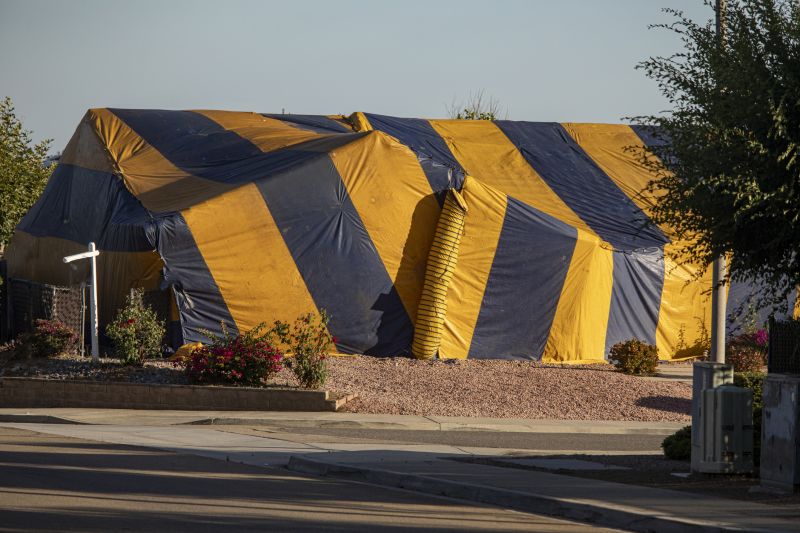
Residential Termite Tenting Services
Comprehensive solutions to protect houses and prevent future infestations.

Commercial Termite Tenting Solutions
Reliable services designed to secure business premises and maintain structural integrity.
Termite Tenting in Long Island, NY

Termite tenting services involve the process of enclosing a property in a specialized tent and applying a fumigant to eliminate termite infestations. This method is typically used for severe or widespread termite problems that cannot be resolved through localized treatments. Tenting is suitable for various types of projects, including residential homes, multi-unit buildings, and commercial properties, especially when a comprehensive solution is needed to ensure complete eradication of termites.
Homeowners considering termite tenting should understand that the process requires temporarily vacating the property, as the fumigant used can be hazardous to humans and pets during application. It is important to evaluate the extent of the infestation and discuss any concerns about property contents or landscaping with a pest control professional beforehand. Proper preparation and follow-up treatments are often recommended to prevent future infestations and protect the property’s structural integrity.
Many property owners in Long Island, NY look into Termite Tenting for repairs, replacements, upgrades, and appearance-related improvements.
Common Termite Tenting Jobs
Termite Tenting - a treatment method involving sealing the property with a tent for pest elimination.
Homeowner Protection - used to eradicate existing termite colonies and prevent future infestations.
Infestation Response - suitable for properties with active termite activity or damage signs.
Pre-Construction Treatment - applied before building to create a termite barrier during construction.
Property Inspection - necessary to determine if tenting is the appropriate solution for the property.
Post-Treatment Clearance - ensures the property is safe for occupancy after the tenting process.
Termite Tenting Questions
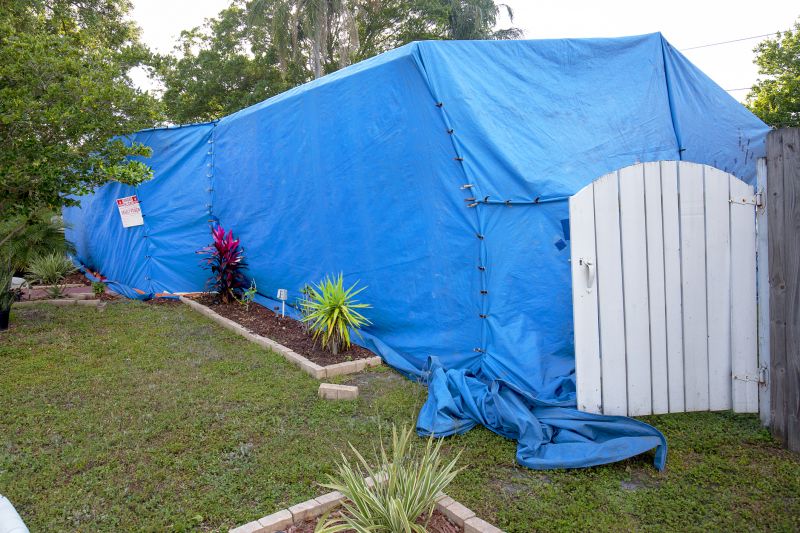
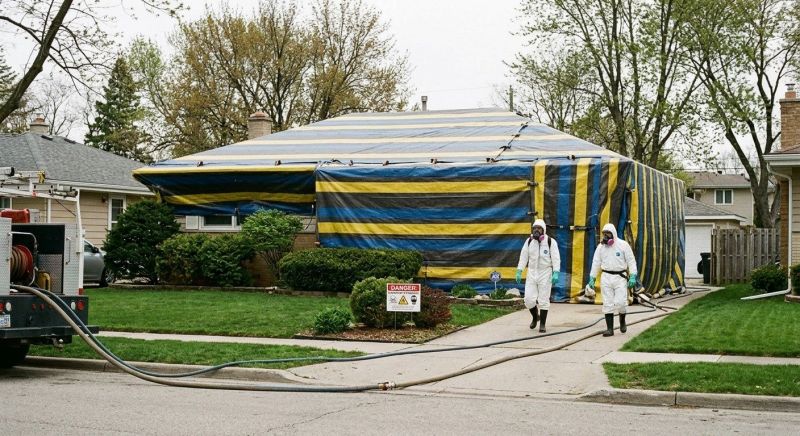
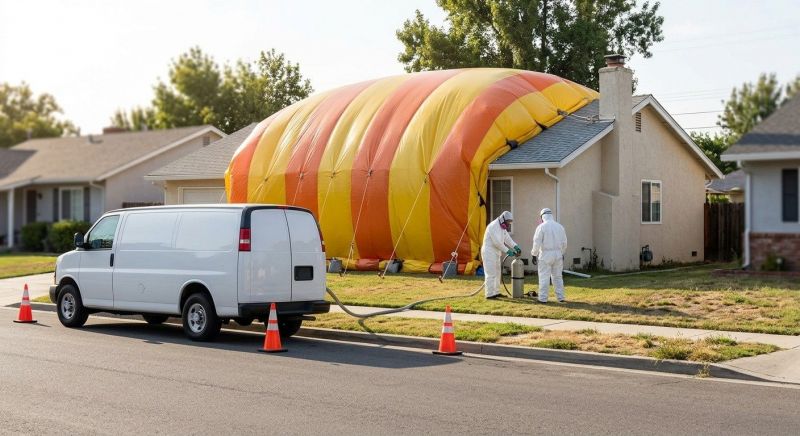
What is termite tenting? Termite tenting involves covering a property with a large tent to contain fumigant gases that eliminate termites throughout the structure.
When is termite tenting recommended? Tenting is typically used when termite infestations are widespread or difficult to treat with other methods.
How should property owners prepare for tenting? Preparation includes removing or securing all food, plants, and personal belongings from the property before treatment.
Is the property safe to occupy after tenting? The property must be ventilated and cleared of gases before re-entry, following the specific guidelines provided.
Request Termite Tenting in Long Island, NY
Use the quote form on this page to share the basics of your project and request more information for the type of work you need.