Signs You Have a Wasp, Hornet, or Yellow Jacket Problem
If you notice signs you have a wasp, hornet, or yellow jacket problem, local service providers can identify the issue and safely handle their removal and treatment.
If you’ve noticed buzzing sounds near your home or sudden appearances of wasps, hornets, or yellow jackets, you might be dealing with a pest problem. These insects are more than just a nuisance; they can pose safety concerns, especially if their nests are close to frequently used areas. Recognizing the signs early can help property owners in the area take proactive steps to manage the situation before it escalates. Local contractors who specialize in wasp, hornet, and yellow jacket treatment can assess the situation and provide effective solutions to keep your property safe and comfortable.
Understanding the common signs of a wasp, hornet, or yellow jacket problem can make a significant difference in addressing the issue promptly. For example, visible nests under eaves, in shrubs, or on tree branches often indicate an active colony nearby. You might also notice increased insect activity around certain areas or unexpected stings if you accidentally disturb a nest. Connecting with experienced service providers can help determine the best course of action to eliminate these pests and prevent future problems, ensuring your property remains a safe and pleasant space.
- Wasp, Hornet, or Yellow Jacket Treatment - is needed when signs of nests near the home or yard are detected, and local contractors can safely remove or treat the nests.
- Wasp, Hornet, or Yellow Jacket Treatment - becomes necessary if you notice aggressive behavior or increased insect activity around entry points, with local service providers addressing the problem promptly.
- Wasp, Hornet, or Yellow Jacket Treatment - is advised when stings occur unexpectedly or there are visible nests in hard-to-reach areas, and local pros can handle the removal professionally.
- Wasp, Hornet, or Yellow Jacket Treatment - should be considered if there are signs of nests in attic spaces, wall voids, or underground, with local contractors equipped to eliminate the threat.
- Wasp, Hornet, or Yellow Jacket Treatment - is recommended when persistent buzzing or sightings of wasps, hornets, or yellow jackets are present, and local service providers can assess and treat the infestation effectively.
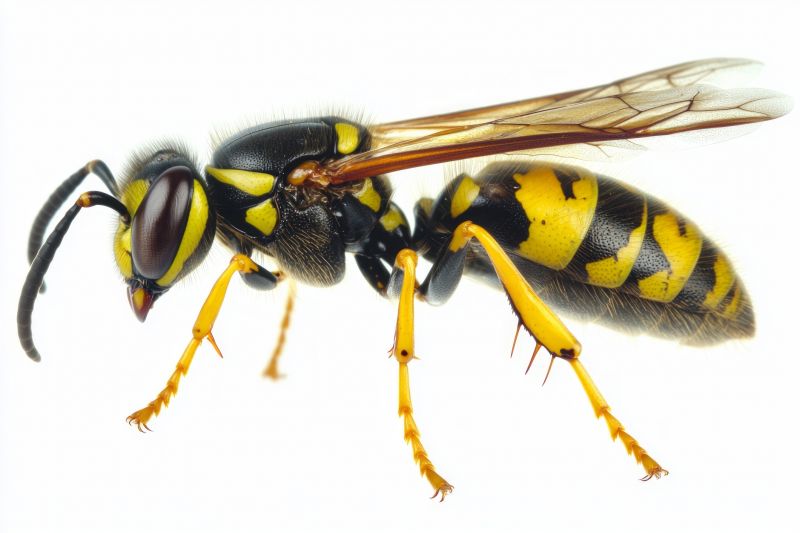
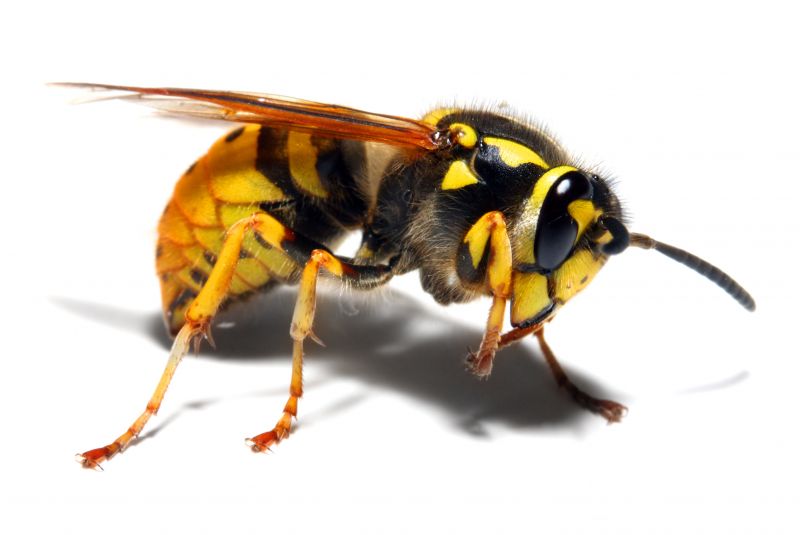
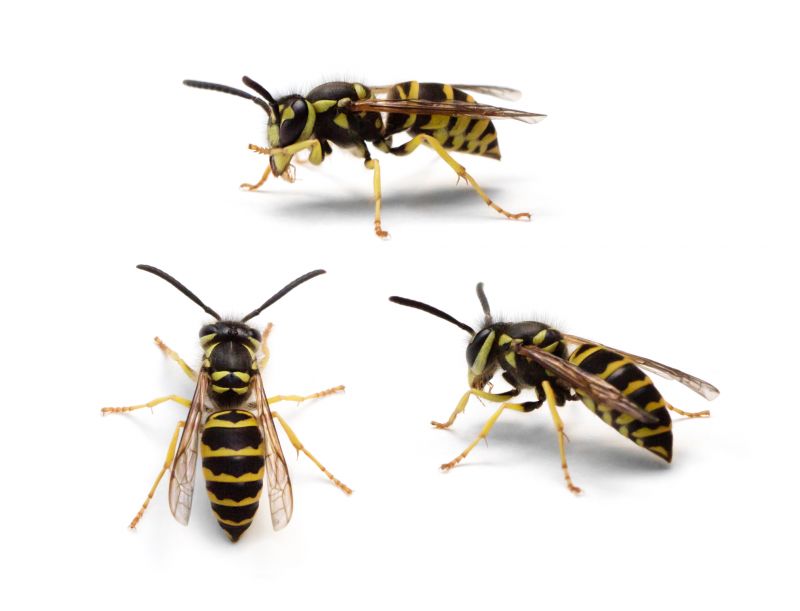
Understanding the signs you have a wasp, hornet, or yellow jacket problem is essential for homeowners who want to address potential pest issues early. These insects tend to build nests in or around residential properties, often in hidden or hard-to-see locations. Common indicators include visible nests hanging from eaves, branches, or other sheltered spots, as well as frequent sightings of the insects themselves near entry points or outdoor activity areas. Recognizing these signs can help homeowners determine if a pest problem is developing, prompting them to seek assistance from local contractors experienced in pest removal and nest treatment.
The presence of wasps, hornets, or yellow jackets can lead to various problems that impact safety and comfort. These insects are known for their aggressive behavior when their nests are disturbed, posing stinging risks to residents and visitors. Their presence can also interfere with outdoor activities like barbecues, gardening, or relaxing on the patio. In some cases, nests may be located close to entryways, windows, or vents, increasing the chance of accidental encounters. Homeowners often search for signs of these pests when planning pest control strategies or considering nest removal services to prevent injuries and maintain a safe outdoor environment.
Properties most commonly affected by wasp, hornet, or yellow jacket problems include homes with accessible eaves, soffits, decks, and gardens. Nests are frequently found in sheltered areas such as under roof overhangs, inside wall voids, or in shrubbery and trees near outdoor living spaces. Commercial properties with outdoor seating areas or landscaped grounds can also attract these insects, especially if there are gaps or openings that provide nesting sites. Recognizing the types of properties prone to these issues helps homeowners and property managers understand where to look for signs of infestation and when to seek professional nest removal or pest control services.
Local service providers specializing in wasp, hornet, and yellow jacket treatment can help address these problems effectively. They are equipped to identify active nests, assess the extent of the infestation, and safely remove or treat nests to prevent further issues. Whether nests are in hard-to-reach locations or pose immediate safety concerns, these pros have the experience and tools to handle the situation efficiently. Contacting a local contractor ensures that the problem is managed promptly, reducing the risk of stings and preventing future nesting sites from forming. Recognizing the signs early and working with experienced professionals can help maintain a safe and comfortable outdoor environment.
Pest identification services - professionals who can help identify signs of wasp, hornet, or yellow jacket problems and recommend appropriate treatment options.
Wildlife exclusion projects - projects involving the sealing of entry points to prevent wasps, hornets, or yellow jackets from nesting around the property.
Insect trap installation - services that involve setting up traps to monitor and reduce wasp, hornet, or yellow jacket activity near homes and businesses.
Yard cleanup and debris removal - tasks that help eliminate potential nesting sites for these insects, often handled by local contractors specializing in pest prevention.
Structural repairs and sealing - work that involves fixing cracks and gaps where wasps, hornets, or yellow jackets may build nests, performed by local service providers.
General pest control services - comprehensive treatments that address wasp, hornet, or yellow jacket infestations as part of broader pest management plans.
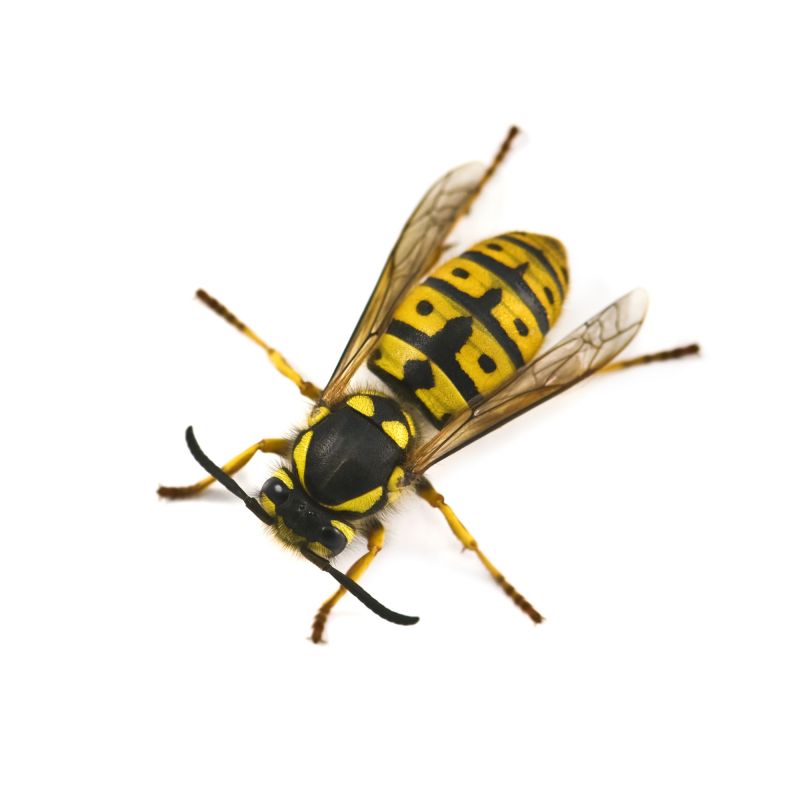
When evaluating local contractors for wasp, hornet, or yellow jacket treatment services, it is important to consider their experience with similar projects. Homeowners should seek out service providers who have a proven track record in safely and effectively removing or managing these pests. An experienced contractor will be familiar with different types of nests and their typical locations, which can help ensure the job is handled thoroughly and efficiently. Having a history of successful treatments in residential settings can provide confidence that the contractor understands the nuances of dealing with these insects in a home environment.
Clear written expectations are essential when comparing local service providers for wasp, hornet, or yellow jacket removal. Homeowners should look for contractors who provide detailed descriptions of the scope of work, including what the treatment process entails, any necessary follow-up, and precautions taken to minimize disruption or risk. Transparent communication about what to expect helps prevent misunderstandings and ensures that the homeowner and contractor are aligned on the project. Well-defined expectations also serve as a foundation for evaluating the professionalism and reliability of the service provider.
Reputable references and good communication are key factors in selecting a trusted local contractor. Homeowners are encouraged to seek out reviews or testimonials from previous clients to gauge the quality of work and customer service. Additionally, a contractor who responds promptly and clearly to questions demonstrates a commitment to professionalism and customer satisfaction. Effective communication ensures that homeowners feel informed throughout the process and can address any concerns or special considerations before work begins. These qualities contribute to a smoother experience and greater confidence in the chosen service provider for wasp, hornet, or yellow jacket treatment services.
Property owners often search for signs you have a wasp, hornet, or yellow jacket problem when they are planning practical projects around their homes and businesses. Local pros provide Wasp, Hornet, or Yellow Jacket Treatment services for everyday jobs and straightforward project options.
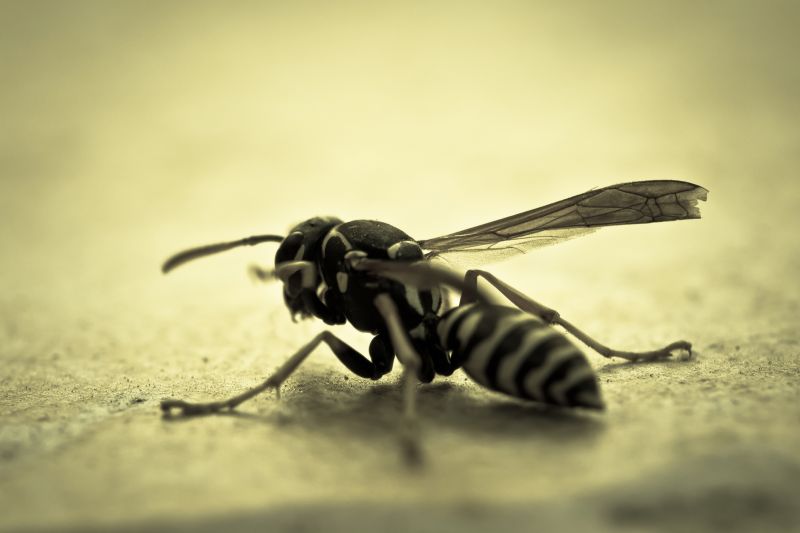
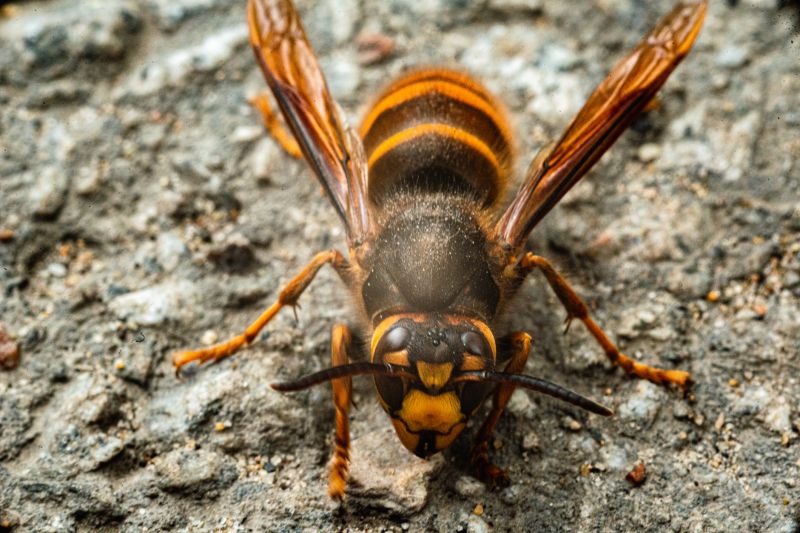
Property owners in the area often notice signs of a wasp, hornet, or yellow jacket problem when they see aggressive insects buzzing around outdoor spaces, especially near trash cans, picnic areas, or eaves. Unusual activity around hidden nests-like swarming insects or sudden stings-can indicate an active colony nearby. Recognizing these early signs can help prevent potential stings and property damage, prompting homeowners to seek treatment services from local contractors experienced in managing these pests.
In addition, visible nests attached to structures such as siding, decks, or tree branches are clear indicators of a wasp, hornet, or yellow jacket issue. These nests can vary in size and shape, and their presence often coincides with increased insect activity during warmer months. When such signs are observed, property owners are encouraged to connect with local service providers who specialize in wasp, hornet, or yellow jacket treatment. These professionals can safely remove nests and reduce the risk of stings, helping to restore safety and comfort to outdoor spaces.
What are common signs of a wasp, hornet, or yellow jacket nest nearby? Visible nests on eaves, walls, or trees, especially if they are papery or umbrella-shaped, often indicate an active hive or colony.
How can I tell if I have an active wasp, hornet, or yellow jacket problem? Frequent sightings of flying insects around your property, especially near entry points or outdoor eating areas, suggest ongoing activity.
What should I look for to identify potential warning signs of a nest? Swarm activity, especially during late summer or early fall, and increased insect presence in specific areas are common indicators.
Are there any sounds that may indicate a wasp or hornet problem? A buzzing or humming noise near walls, eaves, or attic spaces can signal a nearby nest or hive.
How do I know if the insects I see are wasps, hornets, or yellow jackets? These insects are typically black and yellow or brown with distinct markings; hornets are larger and more robust than yellow jackets or typical wasps.
Identifying wasp, hornet, or yellow jacket nests - recognizing signs of nests around eaves or shrubs can help property owners plan for professional removal services.
Noticing increased insect activity - frequent sightings of stinging insects near entry points or outdoor spaces may indicate a hidden problem needing expert treatment.
Observing stinging insect behavior - aggressive or persistent insects buzzing around people or pets can signal an infestation that local contractors can address.
Detecting nests in hard-to-reach areas - discovering nests in attics, wall voids, or underground can prompt property owners to seek professional removal from experienced service providers.
If you are thinking about signs you have a wasp, hornet, or yellow jacket problem for a property, this guide is meant to help you understand this topic, the typical project types, and how different options might fit your plans.
When you are ready, you can use the quote form on this page to share a few details about your project. From there, local pros can review the basics and follow up with options that match what you have in mind.